
1998: The "Kim Il-sung" Constitution
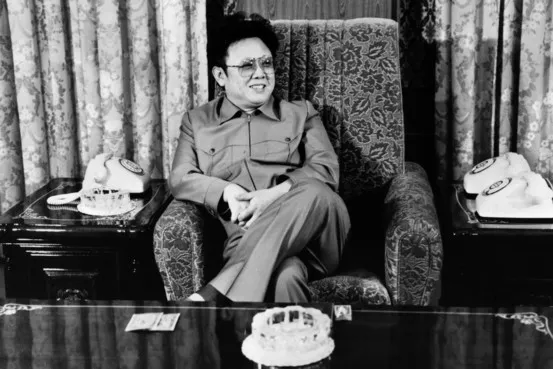
The 1998 Revision is perhaps the most fascinating chapter in North Korean legal history because it had to solve a problem no other constitution has ever faced: How do you govern a state when the absolute leader has died?
Following the three-year mourning period for Kim Il Sung, the 1998 revision addressed a unique legal crisis: how to stabilize a regime whose absolute leader had died. This transformation created what scholars call a "Necrocracy"—a state ruled by the deceased. By naming the constitution itself after Kim Il Sung and declaring him the "Eternal President," the state ensured that no living successor could ever hold his title, effectively anchoring the regime's legitimacy in his perpetual legacy.
The shift from Civilian to Military Power: With the presidency abolished, the National Defense Commission (NDC) was elevated to the "highest position of the State." This transition codified Songun (Military-First) politics, granting the NDC Chairman command over all armed forces and general control over national defense. While the President of the SPA Presidium performed ceremonial duties as the nominal Head of State, Kim Jong Il exercised "invincible authority" through his dual roles as Chairman of the NDC and General Secretary of the Workers' Party.
Economic Survival and Legal Pragmatism: Emerging from the "Arduous March" famine, the 1998 version introduced rare legal concessions to economic reality. While maintaining the socialist principle of autarky, it expanded the scope of private and cooperative ownership, legalized income from "individual sideline activities," and introduced concepts like costs, prices, and profits. It also provided the constitutional groundwork for Special Economic Zones to attract foreign investment and newly protected intellectual property rights. This revision remains a definitive example of "Rule by Law," where the constitution was radically re-engineered to fit the charisma of the leadership rather than constraining it.