
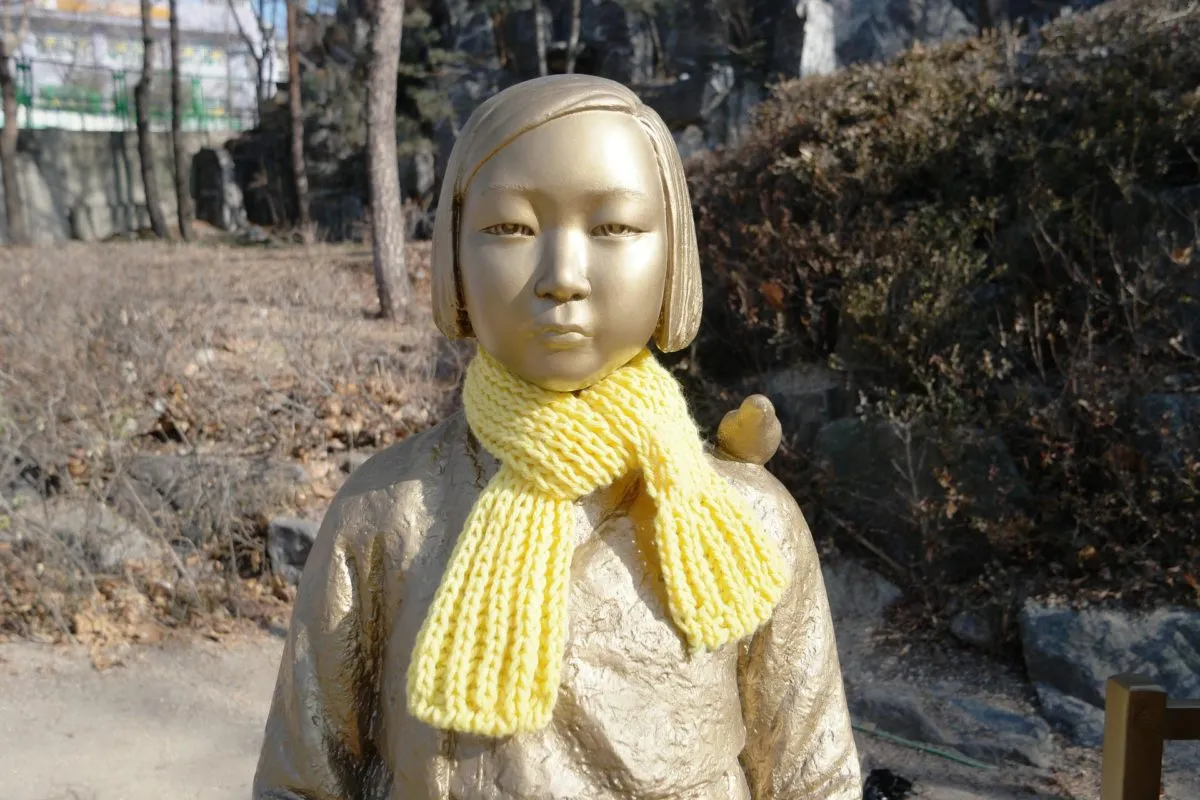
Between 1931 and 1945, an estimated 50,000 to 200,000 women, predominantly Korean, were forced into sexual slavery by the Japanese military. After decades of silence, survivors came forward in the early 1990s to demand truth, apologies, and reparations.
Key milestones in this struggle include:
- 1992: Historian Yoshimi Yoshiaki discovered archival proof of the Imperial Army's direct role, forcing an initial apology from Prime Minister Miyazawa.
- 1993: The Kono Statement formally acknowledged the military’s involvement in managing "comfort stations" and the coercive nature of recruitment.
While the Japanese government has admitted to coercion, it has consistently refused to accept formal legal responsibility or pay state reparations. This refusal to transition from a moral apology to legal accountability remains the central point of international contention.
About the Military Sexual Slavery Digital Archive:
The Center for Korean Legal Studies (CKLS) at Columbia Law School has curated this comprehensive digital archive to serve as a definitive resource for researchers, legal scholars, and the public. This project documents the history, legal evolution, and cultural legacy of the "comfort women"—the hundreds of thousands of women and girls across the Asia-Pacific region forced into sexual slavery by the Imperial Japanese military during World War II.
For decades, the voices of survivors were silenced by social stigma, political pragmatism, and state denial. This project seeks to preserve the historical record and provide a rigorous multidisciplinary framework for understanding this atrocity as a fundamental issue of international human rights law. By centralizing archival evidence, landmark legal filings, and modern scholarly critiques, we aim to bridge the gap between historical memory and contemporary justice.
Understanding the "comfort women" issue requires looking beyond any single discipline. Our resource is organized into five pillars:
Primary Legal, UN and Government Documents: A repository of UN reports, international tribunal findings, and domestic court rulings that define the system as a crime against humanity and explore the complexities of state immunity and reparations. Links to lawsuits can also be found on this page.
History and Military Analysis: Archival research and military logistics that document the Japanese state's direct role in the administration and management of comfort stations.
Novels, Memoirs, Poetry and Film: A collection of novels, poetry, and film exploring history and memory.
Politics, Memory & Reparations: An examination of the "History Wars," tracing how apologies, memorials, and diplomatic treaties have shaped international relations in East Asia today.
Sociology and Gender Studies: Scholarship exploring the intersection of patriarchy, colonialism, and military masculinity, as well as the sociological impact of the redress movement.
Visualizing History (Film & Media): A curation of documentaries and narrative cinema that have performed "visual justice" by bringing survivor testimonies to a global audience.
The "comfort women" issue is not a closed chapter of history. It remains a central point of tension in the relationship between Japan, Korea, China, and the United States. In an era of rising historical revisionism, providing access to verified scholarship and primary legal documents is essential for ensuring that these crimes are neither forgotten nor repeated.
Suggested Starting Points
If you are new to the study of military sexual slavery, these three resources provide a foundation for understanding the historical, legal, and political dimensions of the issue.
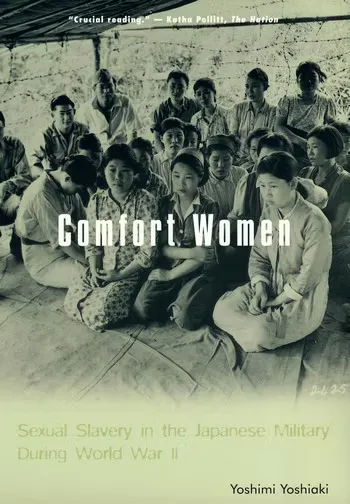
Comfort Women: Sexual Slavery in the Japanese Military during World War II
By Yoshiaki Yoshimi (Columbia University Press)
This is the book that changed history. In 1992, Professor Yoshimi discovered the "smoking gun" documents in the Japanese Defense Agency archives, proving the Imperial Army’s direct role in the "comfort station" system. It meticulously deconstructs the claim that the system was run by private contractors, proving instead that it was a state-sponsored administrative project.
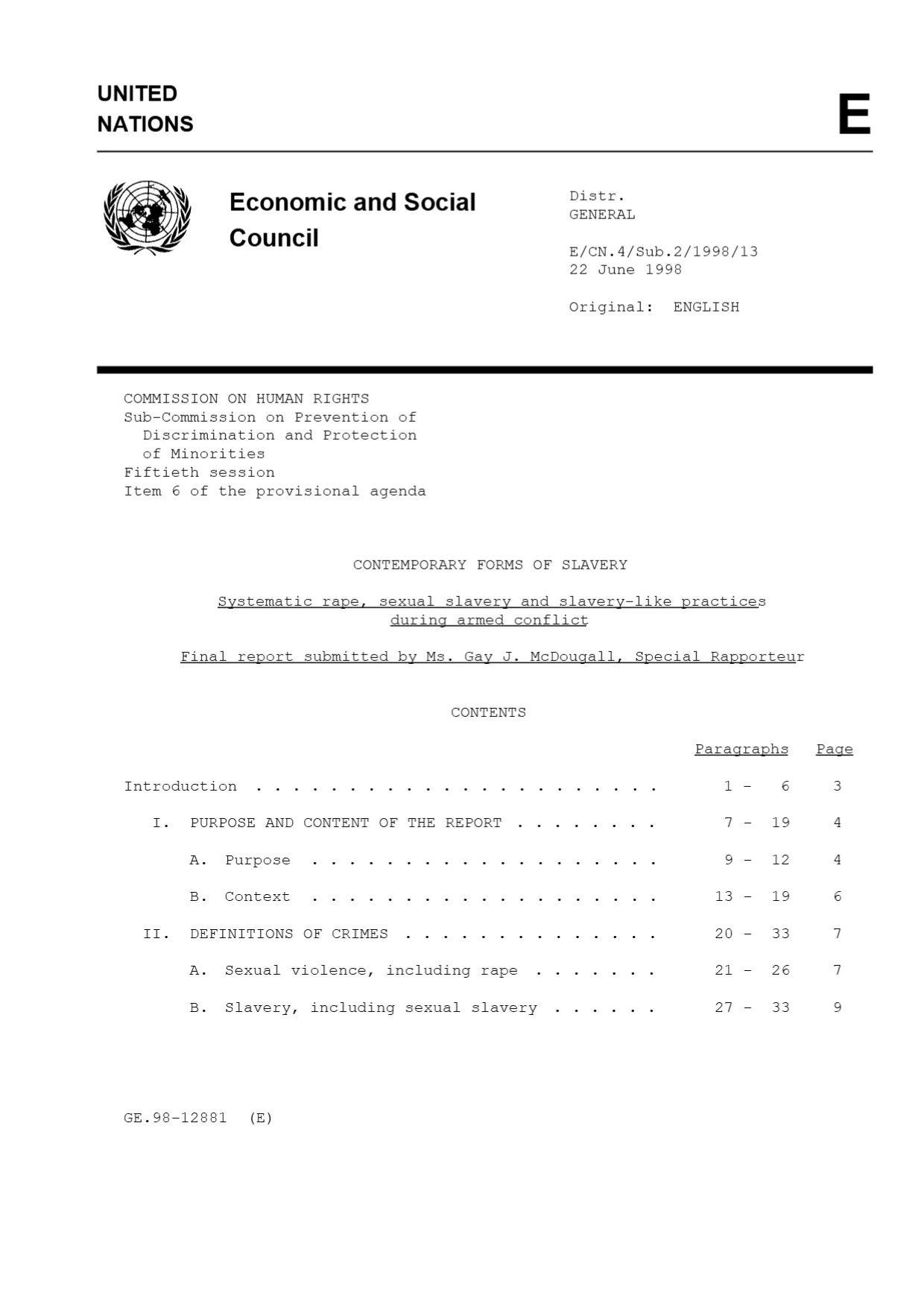
The McDougall Report
(UN Commission on Human Rights)
Systematic Rape, Sexual Alavery and Slave-like Practices During Armed Conflict (1998)
This landmark UN report provides the most rigorous legal analysis of the "comfort women" system under international law. It was instrumental in shifting the terminology from "prostitution" to "sexual slavery." The report remains the gold standard for defining these atrocities as "crimes against humanity" and outlining the legal obligations for state reparations.
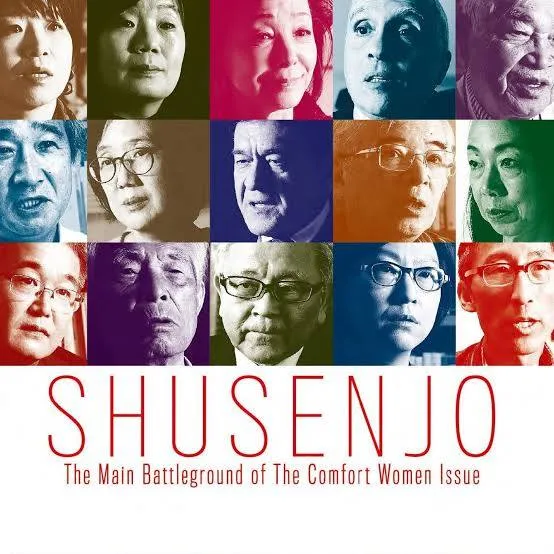
Shusenjo: The Main Battleground of the Comfort Women Issue
Directed by Miki Dezaki (2018)
To understand why this is still a diplomatic "storm" today, you must see this film. It features rare, candid interviews with both the survivors' advocates and the most prominent "revisionists" who deny the system's coercive nature. The film maps out the "History Wars," showing how the conflict is no longer just about the 1940s, but about modern national identity and the fight for the future of education in East Asia.