
2009: The Songun Revision and the Erasure of Communism
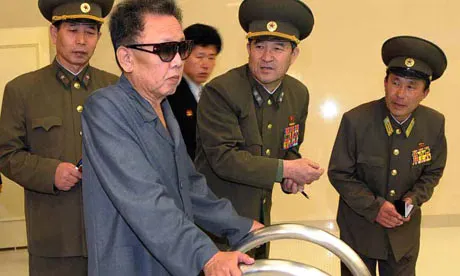
The 2009 revision marked the final divorce from traditional Marxism-Leninism by officially removing the word "communism" from the constitution. In its place, the state elevated Songun (Military-First) to a core constitutional principle and formally designated the Chairman of the National Defense Commission (NDC) as the "Supreme Leader." This shift legalized a system where military authority superseded all civilian and party structures, focusing the state's entire legal identity on nationalist survival.
Legalizing the Hierarchy of Power: While analysts noted that the revision did little to increase Kim Jong Il’s already absolute grip on power, it served to clarify the state's command structure. By bringing more administrative portfolios under the NDC, Kim Jong Il signaled an intent to focus on military and foreign affairs, while reportedly delegating Party matters to his youngest son and successor-in-waiting, Kim Jong Un. This period created what some scholars described as a "Kim Jong Il and Kim Jong Un coalition."
Resolving the "Head of State" Ambiguity: The 1998 revision had left outside observers confused by dispersing presidential duties across various agencies and leaving the title of President "eternally vacant." The 2009 amendments resolved this ambiguity by leaving no doubt, in document or reality, where supreme power resided. By constitutionally codifying the NDC Chairman as the "Supreme Leader," the DPRK finally aligned its formal legal text with its monolithic political reality.