
Sociological and Gender Studies
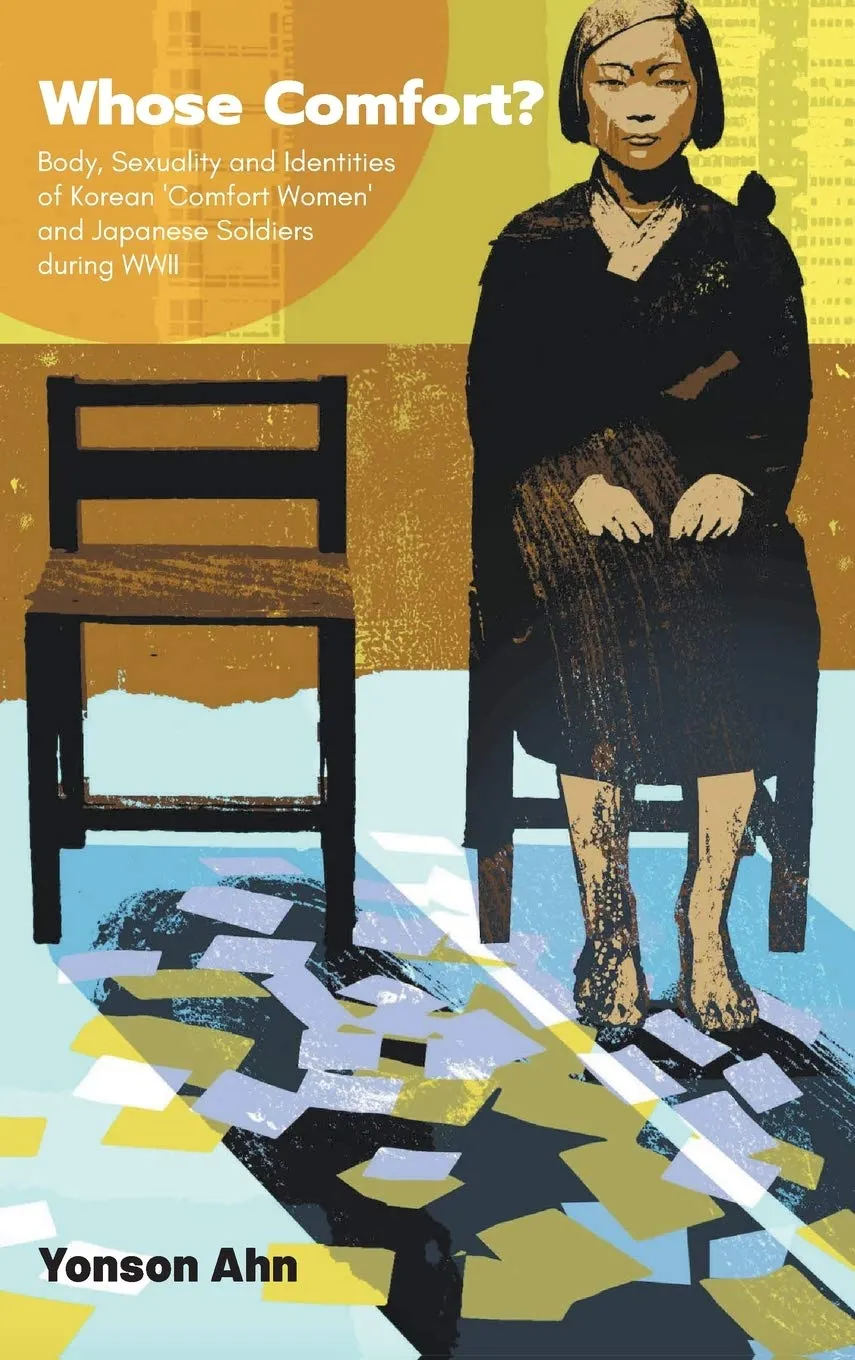
Ahn, Yonson. Whose Comfort? Body, Sexuality and Identities of Korean "Comfort Women" and Japanese Soldiers during WWII. Singapore: World Scientific, 2019.
Ahn provides a unique "relational" history by examining the identities of both the victims and the perpetrators. Using survivor testimonies and Japanese soldiers' diaries, she explores how "military masculinity" was constructed through the abuse of women's bodies. It is a critical look at how the Japanese state regulated sexuality to maintain social control over its soldiers.
Chai, Alice Yun. "Korean Feminist and Human Rights Politics: The Chongshindae/Jugunianfu ('Comfort Women') Movement." In Korean American Women: From Tradition to Modern Feminism, edited by Young I. Song and Ailee Moon, 163–183. Westport, CT: Praeger, 1998.
One of the earliest feminist analyses of the redress movement. Chai documents how Korean women's organizations transformed a "shameful" private memory into a public human rights struggle. She highlights the specific role of the Korean Council and the challenges they faced in a society that initially prioritized national pride over the women's individual dignity.
Choi, Chungmoo, ed. The Comfort Women: Colonialism, War, and Sex. Durham: Duke University Press, 1997.
This edited volume (originally a special issue of the journal positions) is a foundational text in post-colonial studies. The essays analyze how the "comfort women" issue is a legacy of Japanese colonialism that continued to be suppressed by both Japanese and South Korean patriarchal states during the Cold War.
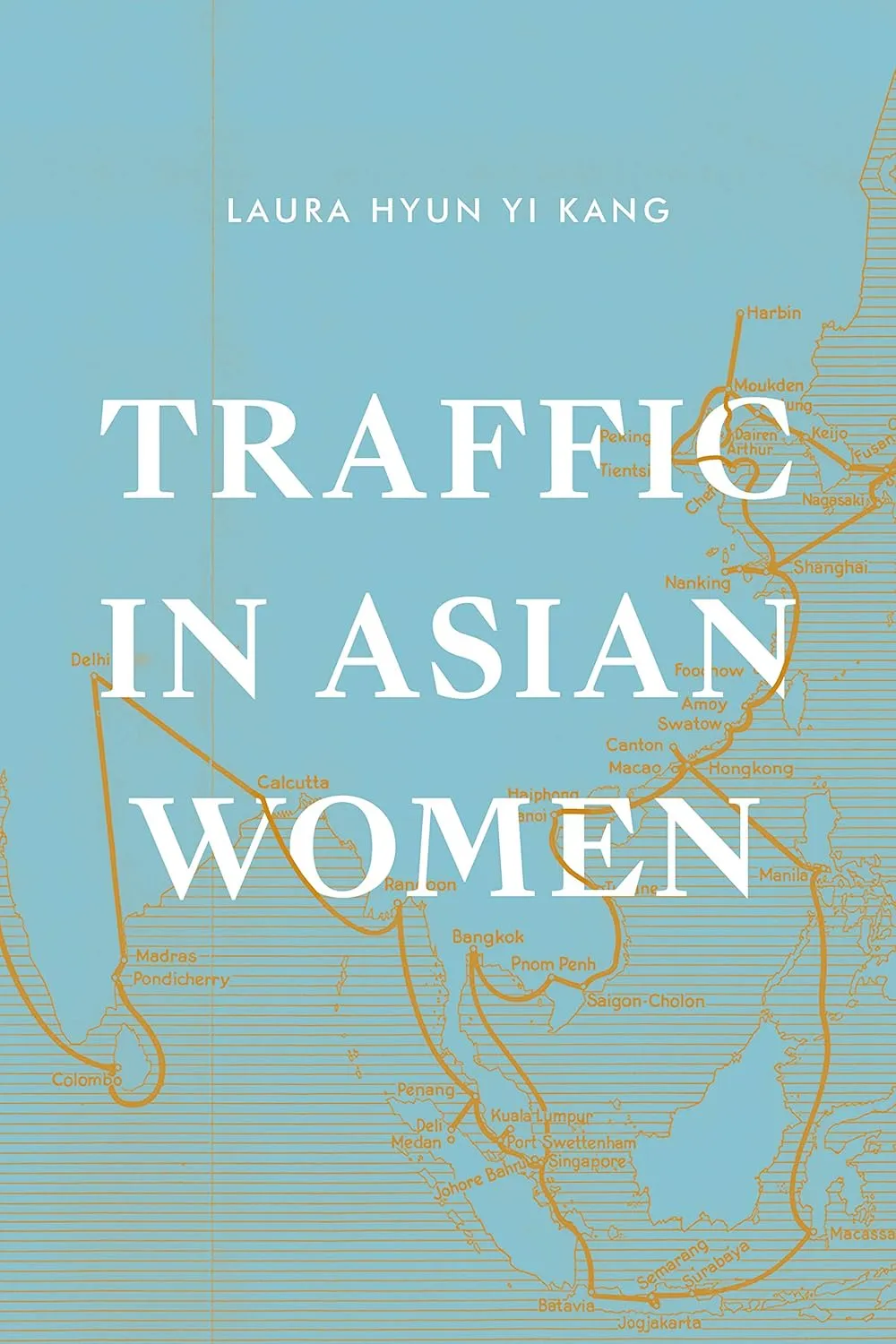
Kang, Laura Hyun Yi. Traffic in Asian Women. Durham: Duke University Press, 2020.
Kang offers a dense, theoretical critique of how "Asian women" are produced as a category in global politics. She examines how the "comfort women" became a hyper-visible symbol in the 1990s and argues that the international human rights discourse often simplifies their complex lives to fit a neat "victim-to-activist" narrative.
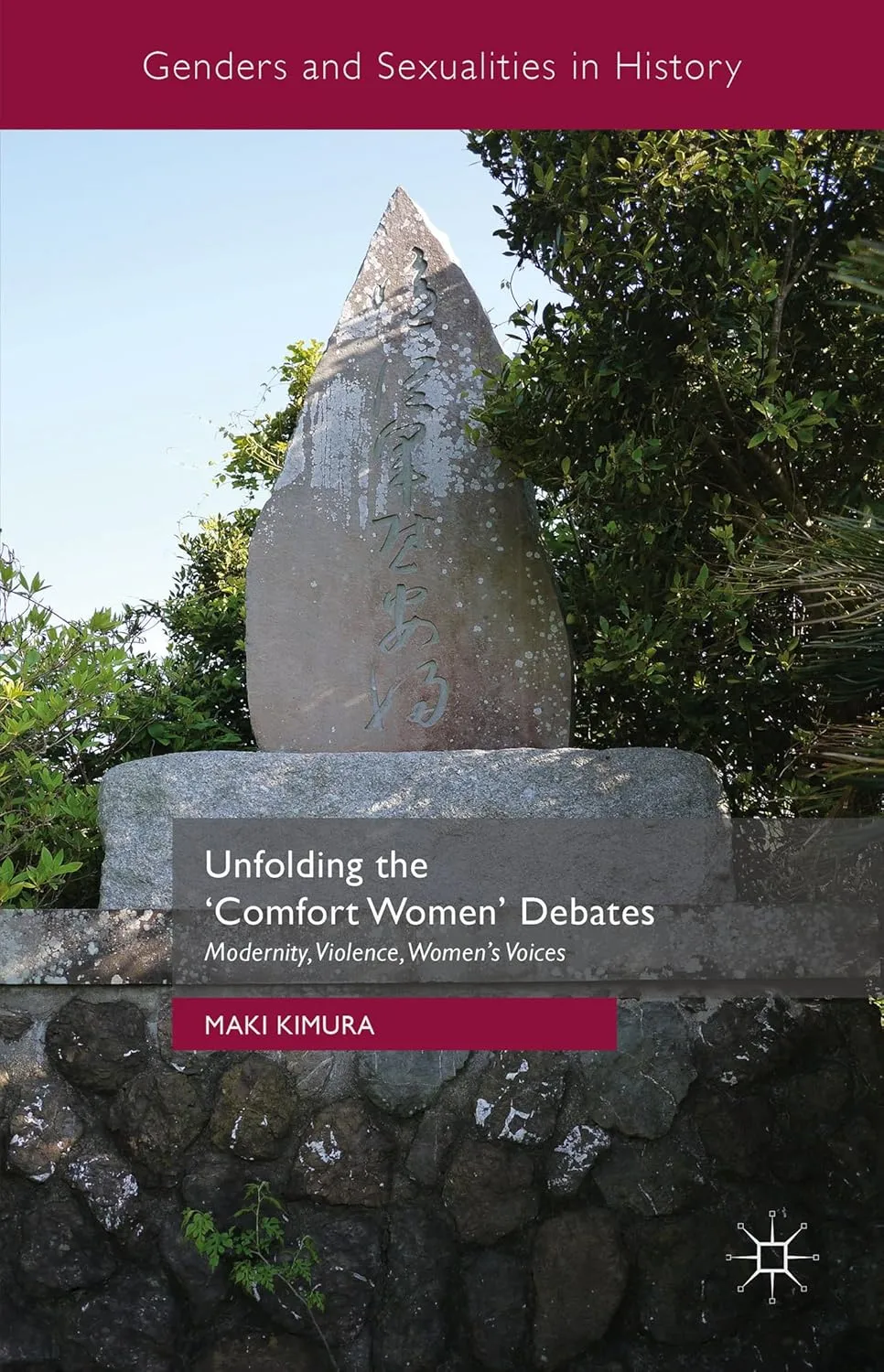
Kimura, Maki. Unfolding the "Comfort Women" Debates: Modernity, Violence, Women’s Voices. New York: Palgrave Macmillan, 2016.
Kimura focuses on the "voices" of the survivors. She uses intersectionality (looking at race, class, and gender together) to explain why some women were more vulnerable to the system than others. She also provides a sophisticated analysis of how modern "liberal" societies still struggle to incorporate these traumatic memories.
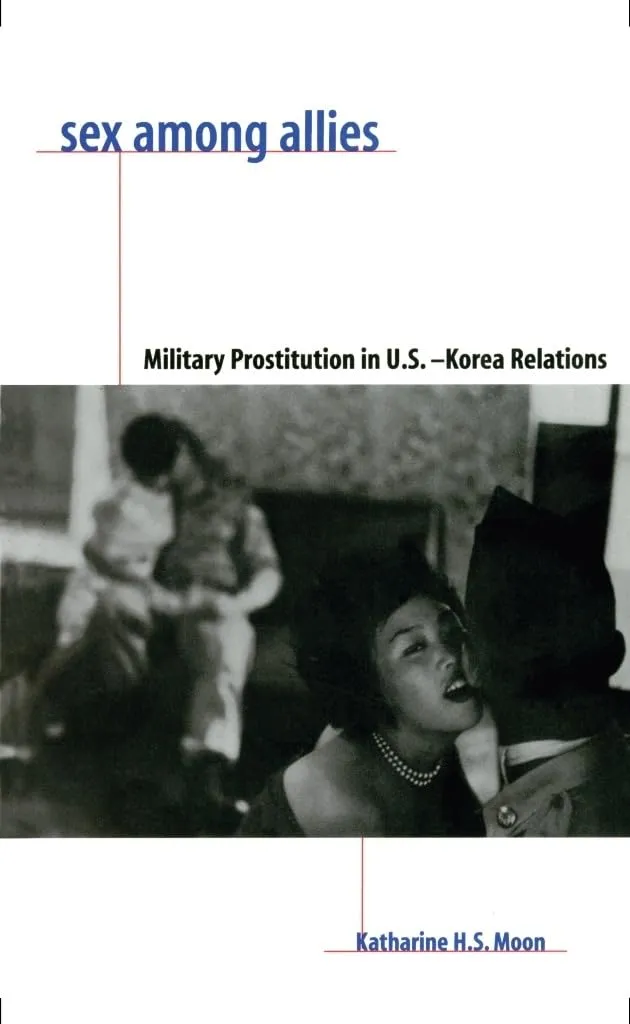
Moon, Katharine H. S. Sex Among Allies: Military Prostitution in U.S.-Korea Relations. New York: Columbia University Press, 1997.
Though it focuses on the post-WWII "camptown" women (serving U.S. troops), this is essential reading for "comfort women" researchers. Moon demonstrates how the South Korean government used women's bodies as "diplomatic tools" to maintain the U.S. military alliance, drawing direct structural parallels to the Japanese wartime system.

Norma, Caroline. The Japanese Comfort Women and Sexual Slavery during the China and Pacific Wars. London: Bloomsbury Academic, 2016.
Norma argues that the "comfort women" system was not a wartime anomaly but an extension of the pre-existing Japanese domestic sex industry. She provides a provocative analysis linking "civilian" prostitution in Japan to the eventual state-sponsored military slavery system, arguing that the latter could not have existed without the former.
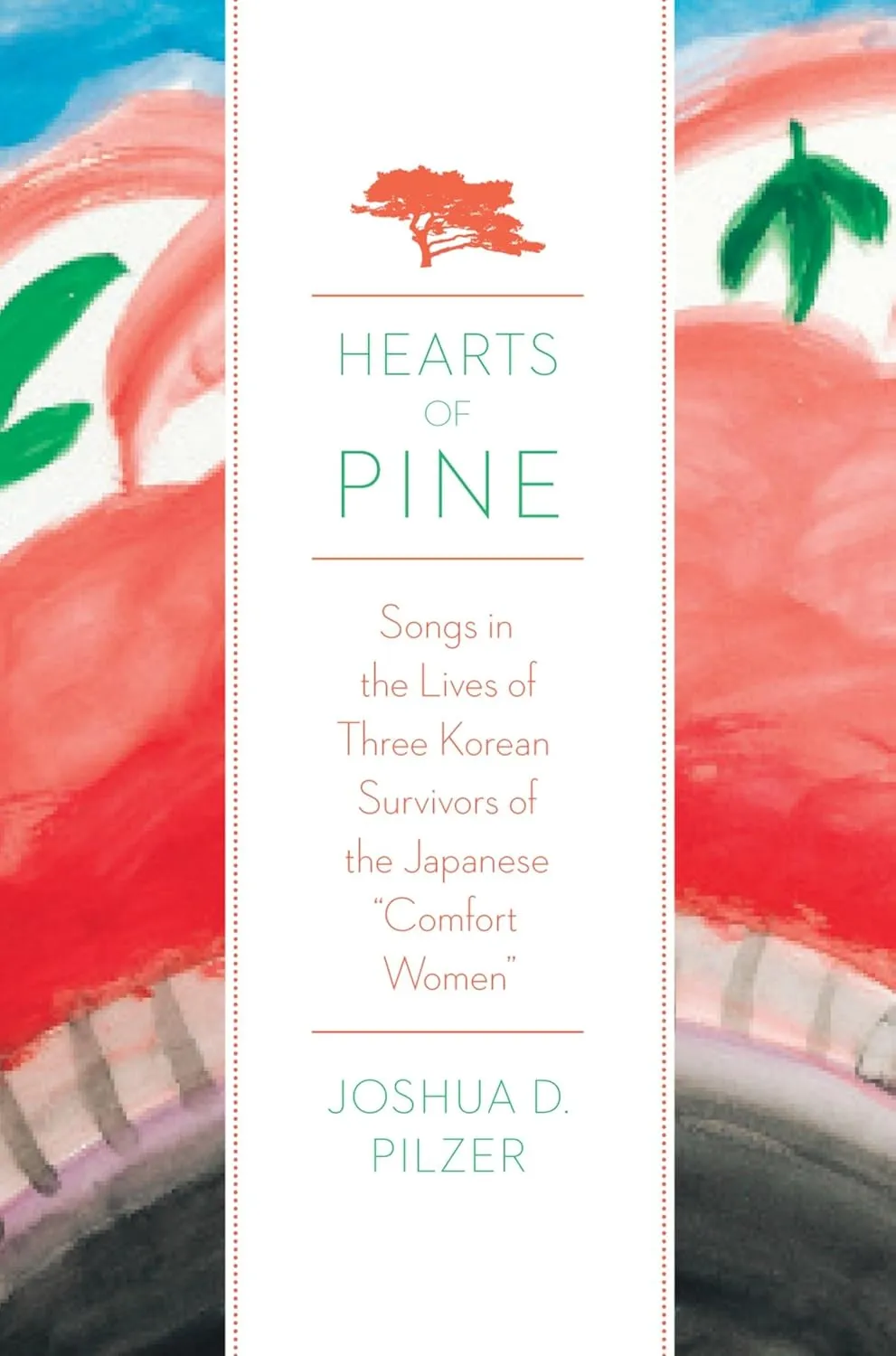
Pilzer, Joshua D. Hearts of Pine: Songs in the Lives of Three Korean Survivors of the Japanese "Comfort Women". New York: Oxford University Press, 2012.
An ethnomusicological study that offers a deeply human perspective. Pilzer spent years with three survivors, focusing on the songs they sang throughout their lives. He explores how music helped these women cope with trauma and express things that were "unspeakable" in formal interviews or legal testimonies.
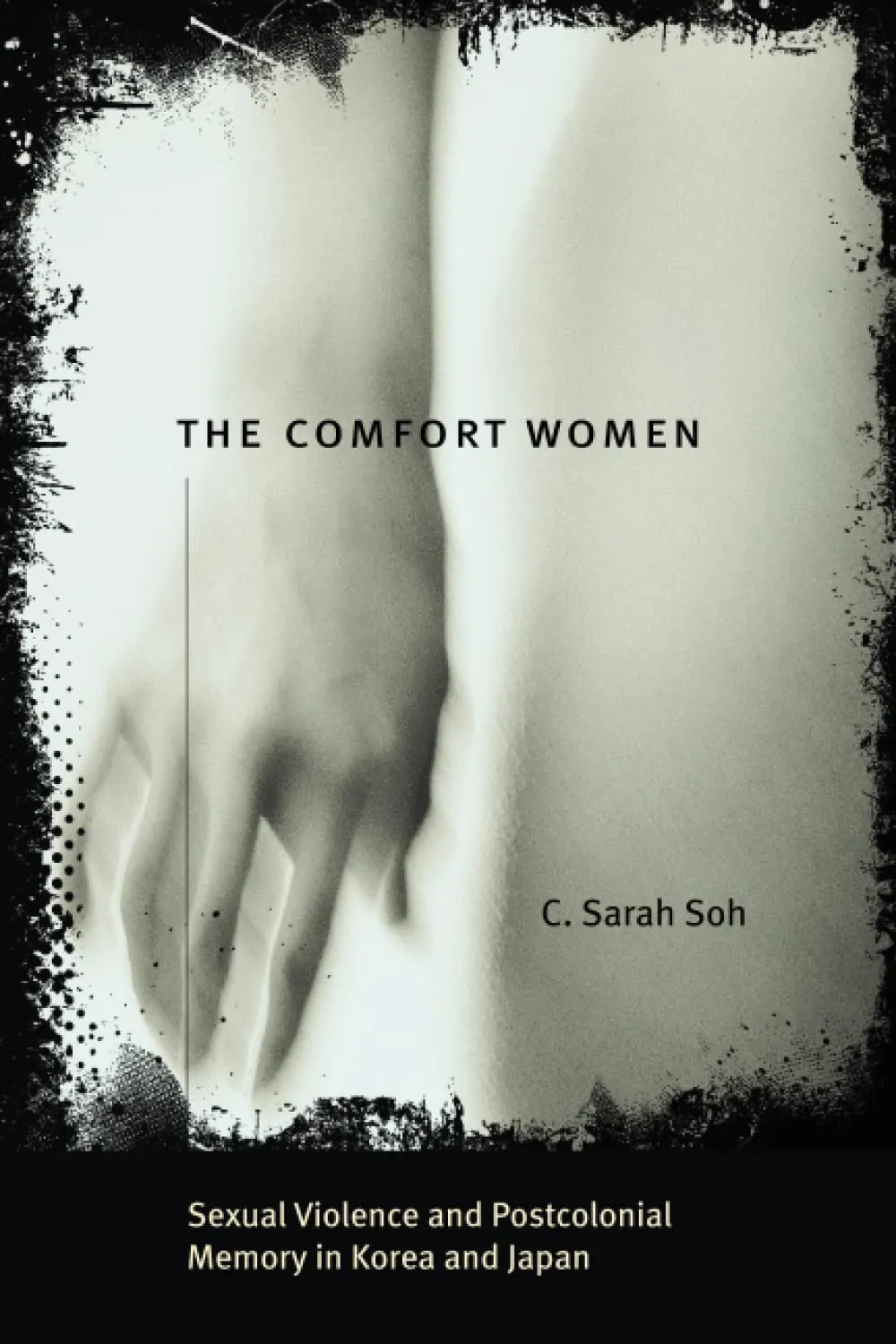
Soh, C. Sarah. The Comfort Women: Sexual Violence and Postcolonial Memory in Korea and Japan. Chicago: University of Chicago Press, 2008.
Perhaps the most controversial, and cited, book in the field. Soh argues against a "monolithic" view of the women as only "abducted virgins." She explores the role of Korean brokers, poverty, and the pre-existing patriarchal structures in Korea that made the system possible, challenging both Japanese denialists and Korean nationalists.
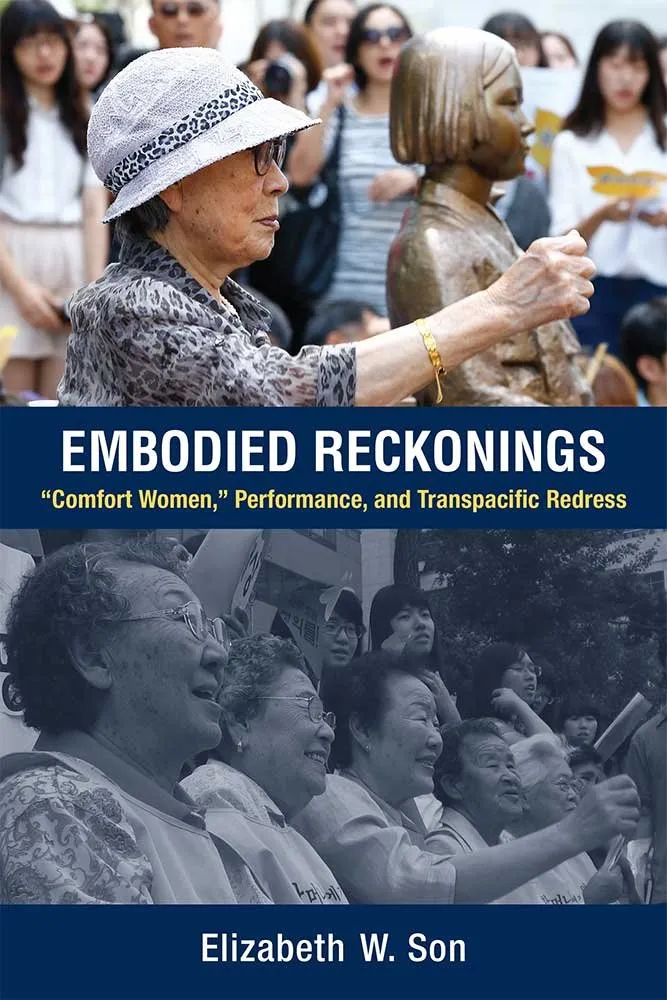
Son, Elizabeth W. Embodied Reckonings: "Comfort Women," Performance, and Transpacific Redress. Ann Arbor: University of Michigan Press, 2018.
Son examines the "performance" of protest. From the weekly "Wednesday Demonstrations" in Seoul to the installation of "Peace Statues" globally, she analyzes how survivors and activists use their bodies and art to demand justice and keep the memory of the system alive in the public square.
Stetz, Margaret, and Bonnie B. C. Oh, eds. Legacies of the Comfort Women of World War II. Armonk, NY: M.E. Sharpe, 2001.
A comprehensive collection that bridges the gap between history and activism. It includes sections on historical context, legal battles, and artistic responses (poetry, film, and literature). It remains one of the best "all-in-one" introductions to the multi-disciplinary nature of the topic.
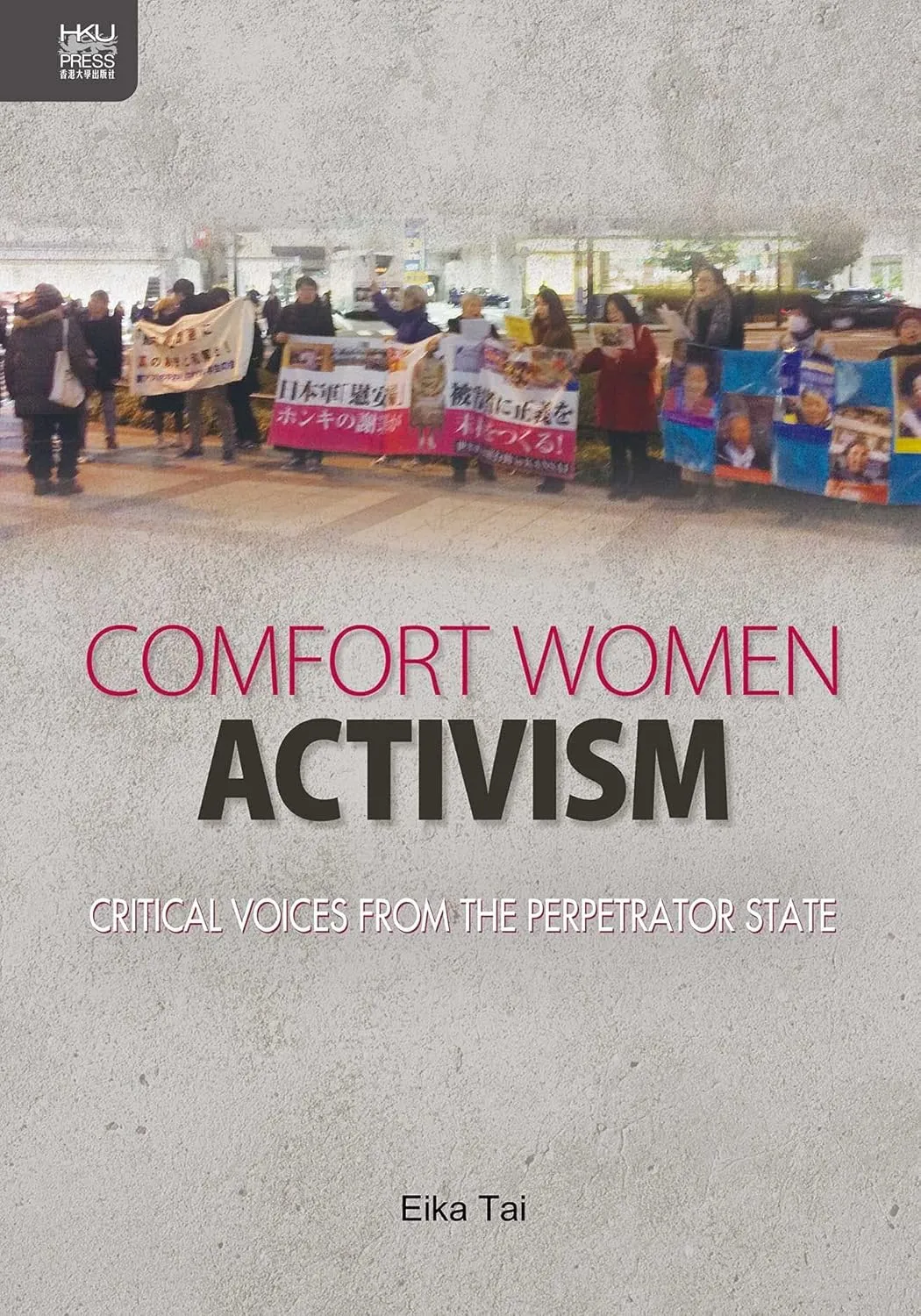
Tai, Eika. Comfort Women Activism: Critical Inquiries into Colonialism, Gender, and War. Hong Kong: Hong Kong University Press, 2020.
Tai focuses on the activism within Japan. She documents the work of Japanese feminists and citizens who have spent decades fighting their own government for redress. It is an important study of "perpetrator-state activism" and how transnational solidarity is built between Japanese and Korean women.
Ueno, Chizuko. Nationalism and Gender. Translated by Beverley Yamamoto. Melbourne: Trans Pacific Press, 2004.
Ueno is Japan's most famous feminist scholar. In this book, she deconstructs how both Japanese and Korean nationalism "use" the comfort women for political ends. She argues that the women were victims twice: once by the Japanese military, and again by a patriarchal historiography that only values them as symbols of national victimhood.