
Understanding the Intersection of Post-Colonial Redress and International Law
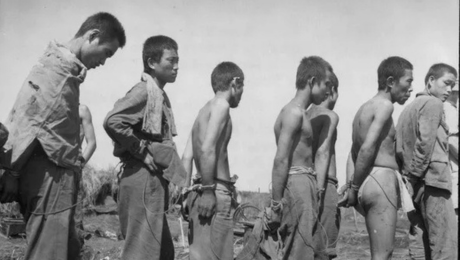
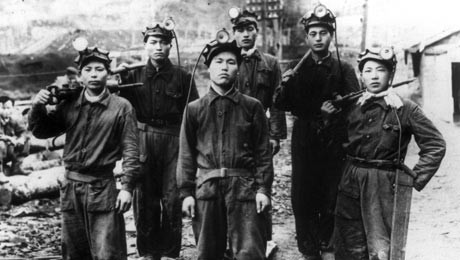
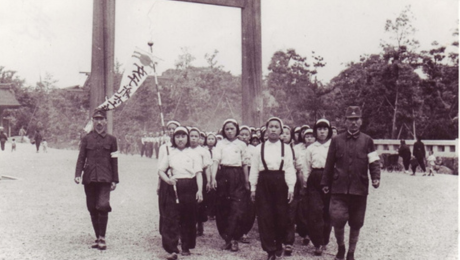
Approximately 5.4 million Korean civilians, both men and women, were mobilized for forced labor to support Japan's war effort during World War II, with 700,000-800,000 specifically taken to work in dangerous mines and factories within Japan. The issue of forced labor during the Japanese colonial period remains one of the most complex and consequential legal challenges in East Asia. Beyond its historical and human dimensions, it represents a critical case study in the evolution of Public International Law, Treaty Interpretation, and Transnational Litigation.
The Center for Korean Legal Studies has curated this resource section to provide scholars and students with a centralized repository of the legal frameworks governing this dispute. Rather than a purely historical archive, this section focuses on the judicial evolution of the claims, from the drafting of the 1951 San Francisco Peace Treaty to the landmark 2018 decisions of the Supreme Court of Korea and the contemporary diplomatic "solutions" currently under debate.
CKLS seeks to elevate the discourse by providing access to primary source materials, including court transcripts, treaty texts, and amicus briefs. By grounding the conversation in legal precedent and statutory analysis, we aim to facilitate a more nuanced understanding of how past wrongs are adjudicated in a modern globalized legal order.
Key Themes of this Resource
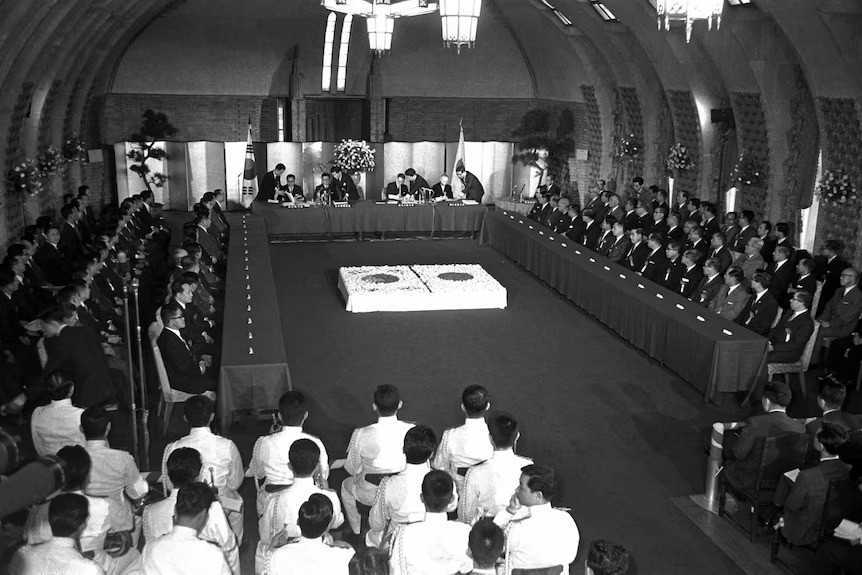
The 1965 Framework
Rights to claim and state-to-state settlement
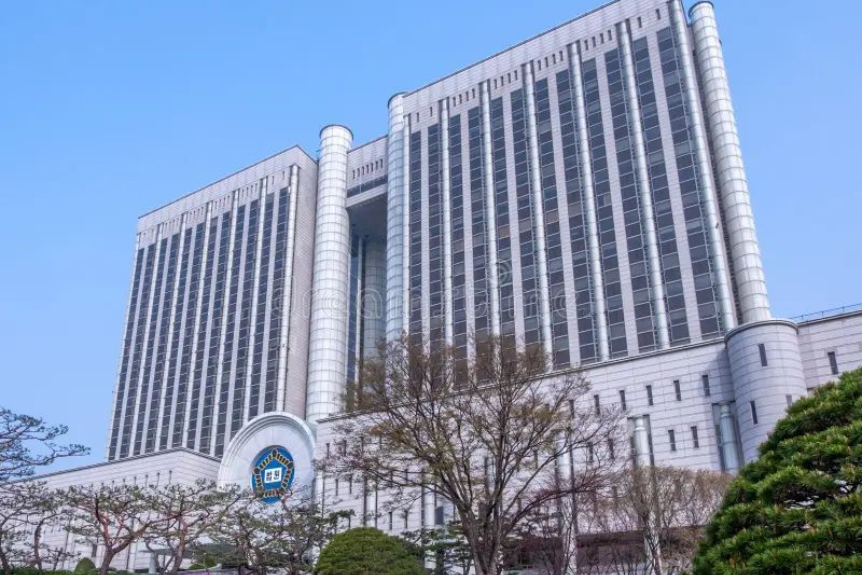
Judicial Divergence
Comparing Korean and Japanese Supreme Court interpretations
Corporate Accountability
Successor liability and transnational litigation

Sovereign Immunity v. Jus Cogens
The tension between state protection and jus cogens